Understanding Wildlife Conservation in Public Parks
Wildlife conservation in public parks is a critical aspect of maintaining biodiversity and ensuring sustainable outdoor recreation. This article explores the importance of conservation efforts, the methods employed, and how individuals can contribute to these initiatives.
The Importance of Wildlife Conservation
Wildlife conservation efforts in public parks help to protect various species and their habitats. According to research by the World Wildlife Fund, significant portions of global biodiversity are found in protected areas, which often include public parks. These areas serve as sanctuaries for wildlife, allowing them to thrive outside of urban settings.

"Protected areas are vital for the survival of many species, providing essential habitats that promote biodiversity." - World Wildlife Fund
Methods of Conservation in Public Parks
The approaches to wildlife conservation in public parks typically involve several key strategies:
- Habitat Restoration: This process often includes replanting native flora and removing invasive species, which can take years to achieve effective results.
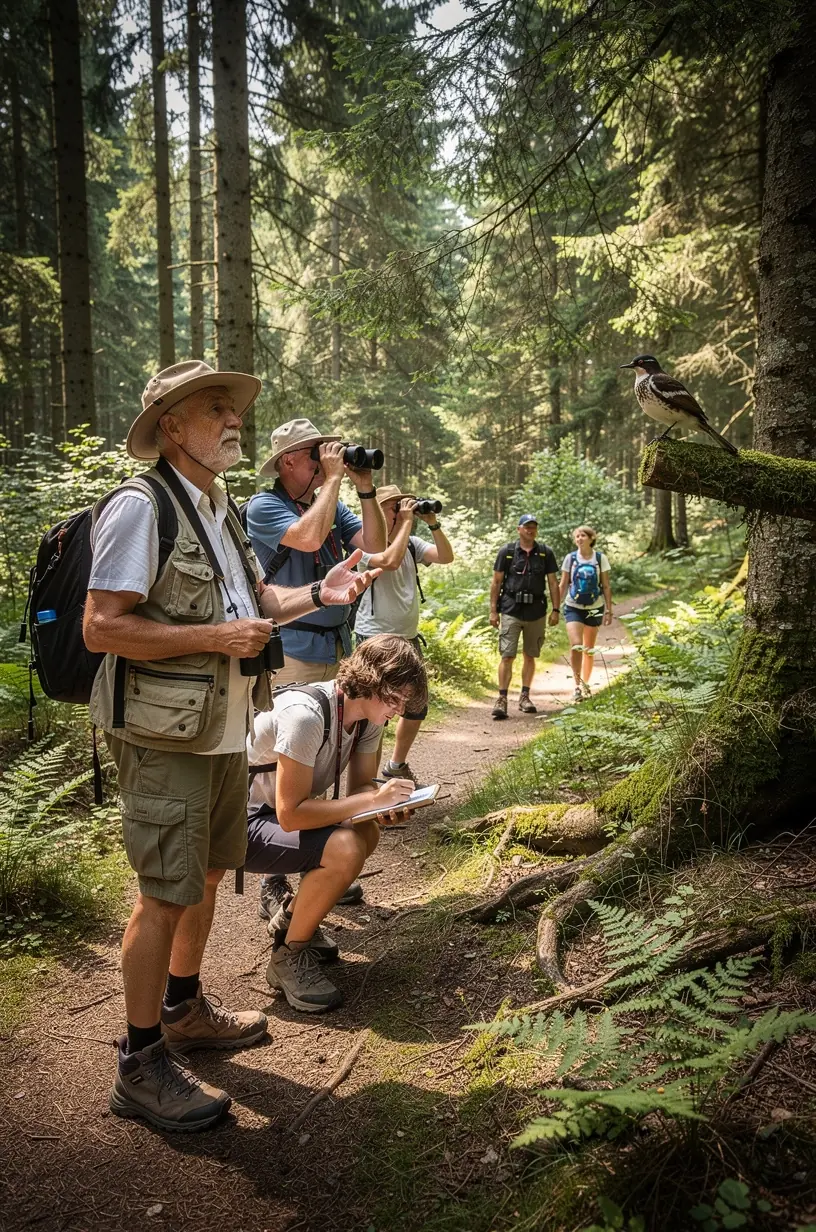
- Wildlife Monitoring: Many parks implement wildlife surveys to track population changes over time, which helps inform management decisions. Studies show that ongoing monitoring can significantly improve conservation outcomes.
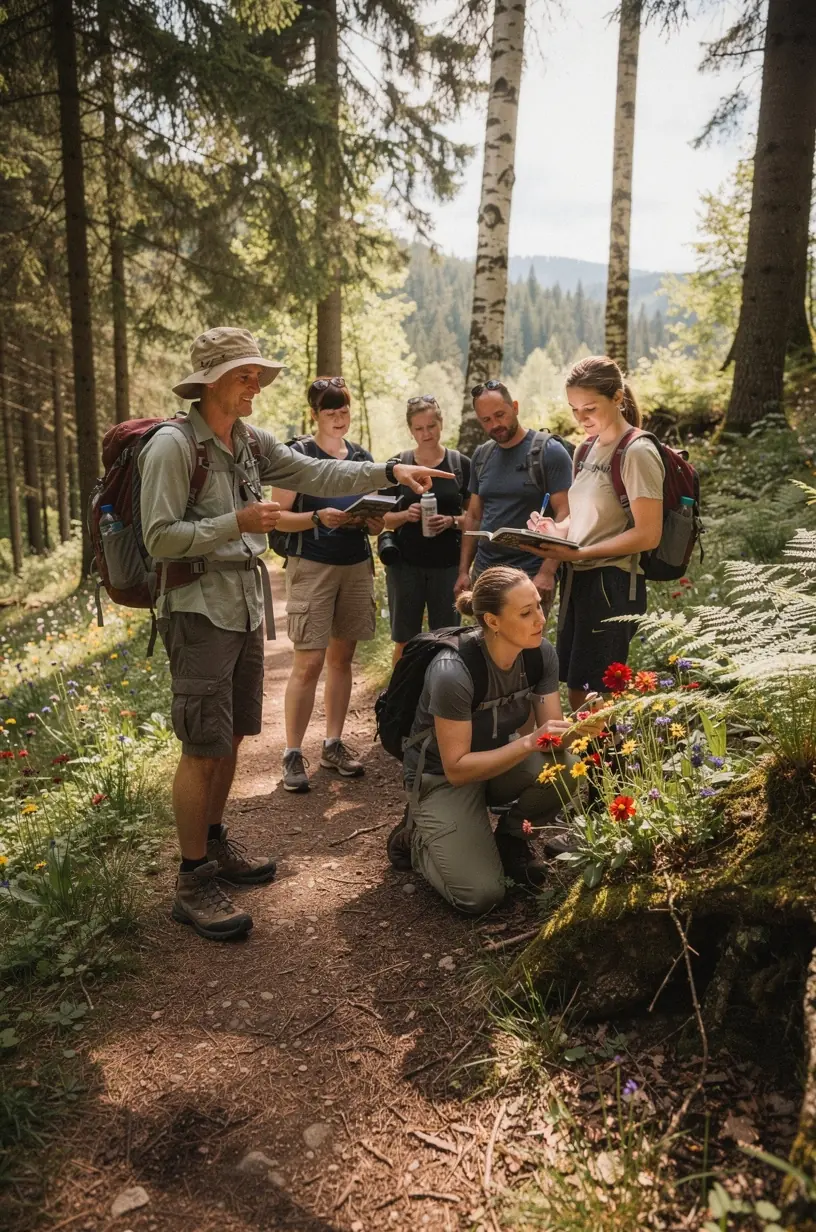
- Community Engagement: Parks often involve local communities in conservation efforts. Research indicates that this collaboration can lead to increased public awareness and support for wildlife initiatives.
The Role of Visitors in Conservation Efforts
Visitors to public parks can play a vital role in wildlife conservation by following certain guidelines:
- Follow Park Regulations: Adhering to rules regarding wildlife interaction protects both the animals and the visitors.
- Participate in Volunteer Programs: Many parks offer volunteer opportunities, which can be a rewarding way to contribute to conservation efforts and typically require a commitment of several hours.
- Educate Others: Sharing knowledge about the importance of wildlife conservation can amplify efforts. Experts recommend discussing conservation topics with friends and family during park visits.
Challenges and Limitations
While many conservation efforts are effective, they are not without challenges. Limited funding and resources often hinder the scope of conservation programs. Additionally, human activities, such as urban development and pollution, can adversely affect wildlife and their habitats.
Moreover, some conservation strategies may require long-term commitments, typically needing years to show significant results. It is essential to understand that not all programs will work optimally in every park or region, and adapting management strategies is often necessary.
Conclusion
Wildlife conservation in public parks is essential for maintaining biodiversity and ensuring that future generations can enjoy these natural spaces. By understanding the methods and challenges of conservation, as well as participating actively, individuals can contribute significantly to these efforts. Remember, every small action counts in the bigger picture of wildlife preservation.