Practical Guide to Outdoor Recreation Safety
Outdoor activities such as walking, cycling, and light tourism can provide immense joy and health benefits. However, ensuring your safety while engaging in these activities is crucial. This guide aims to educate you on various safety measures to enhance your outdoor experiences effectively.
Understanding Outdoor Safety
Engaging in outdoor recreation often requires a basic understanding of safety principles. Experts recommend that participants in outdoor activities familiarize themselves with the environment and inherent risks. According to research, many accidents occur due to lack of preparation or awareness.
"Safety in outdoor activities is not just about following rules; it's about understanding your surroundings and making informed choices."
Essential Safety Tips
Before embarking on any outdoor adventure, consider the following practical safety tips:
- Plan Your Route: Always ensure to chart your course ahead of time. This helps in avoiding dangerous terrains and ensures you are aware of any potential hazards.
- Wear Appropriate Gear: Depending on your activity, suitable clothing and equipment play a vital role in safety. For instance, research indicates that wearing proper footwear can reduce the risk of injuries by as much as 50% in hiking scenarios.
- Stay Hydrated: Dehydration can impair your physical performance and cognitive functions. Experts recommend drinking water regularly, especially during prolonged activities.
- Inform Someone: Let someone know your plans, especially if you are venturing into isolated areas. This ensures someone can alert authorities if you do not return as expected.
- Check Weather Conditions: Weather can change rapidly, especially in mountainous areas. Checking forecasts and being prepared for unexpected conditions is a crucial safety practice.
Understanding the Risks
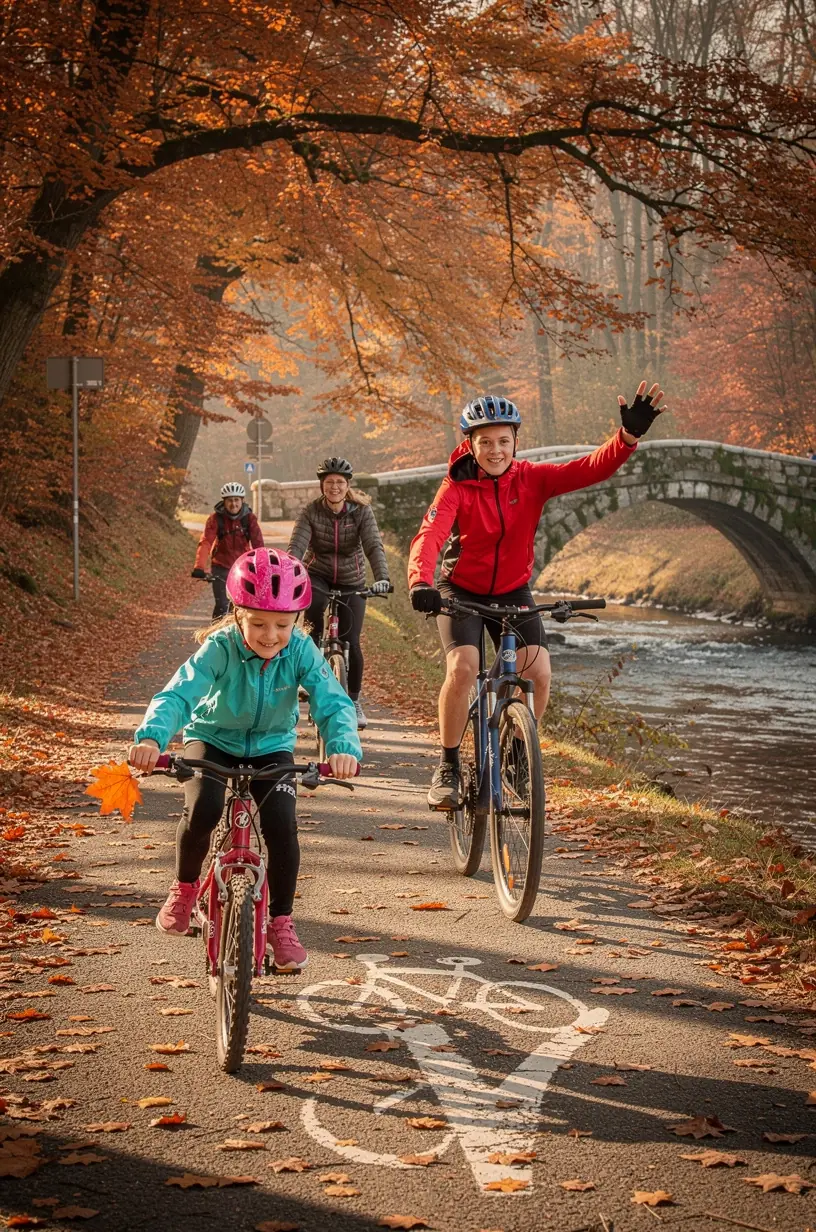
Outdoor activities come with inherent risks that vary with the environment and chosen activity. Industry experts suggest that understanding these risks is the first step towards mitigating them. For instance, in cycling, wearing helmets has been shown to reduce the risk of head injuries in accidents significantly.
Additionally, many users report that encountering wildlife can pose unexpected dangers. It is advisable to educate yourself on the wildlife prevalent in your area and how to react appropriately should you encounter them.
First Aid and Emergency Preparedness
Being prepared for emergencies can improve your safety while enjoying outdoor activities. Consider the following steps:
- Carry a First Aid Kit: Ensure you have a well-stocked first aid kit tailored to the activities you will engage in. This typically includes bandages, antiseptics, and specific medications.
- Learn Basic First Aid: Familiarizing yourself with basic first aid procedures can be lifesaving. Courses are widely available, and research shows that having even basic training can increase confidence and response effectiveness during emergencies.
- Know Emergency Contacts: Keep a list of emergency contacts readily available. This should include local emergency services, park rangers, and contacts who are aware of your plans.
Conclusion
Engaging in outdoor recreation can be a rewarding experience, provided that safety is prioritized. Implementing practical measures, understanding potential risks, and being prepared for emergencies can significantly enhance your outdoor adventures. Remember to educate yourself continuously and enjoy the beauty of nature responsibly.
Discover More