The Vltava Riverside Cycling Route Explained
Complete overview of the Vltava cycling path — distance, difficulty, where to stop, and what to expect.
Your first long-distance ride doesn’t need to be intimidating. We’ll walk you through everything — picking a realistic route, preparing your bike, and building fitness the right way. It’s about smart planning, not heroic suffering.
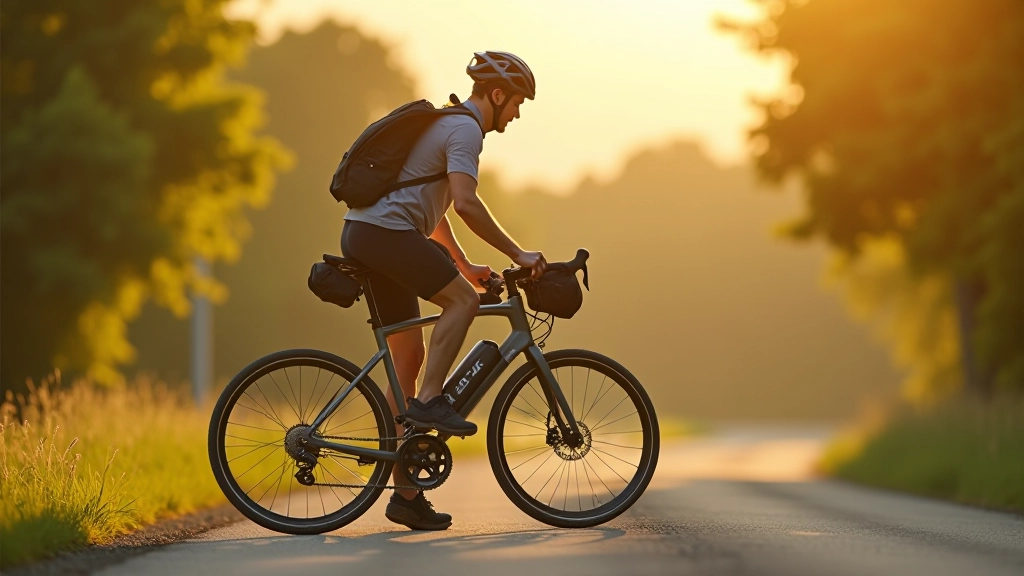

Long-distance cycling is different from your regular weekend ride. It’s not about speed. It’s about endurance, pacing, and knowing your body. Most beginners fail because they tackle too much too soon or pick routes that don’t match their fitness level.
The good news? You don’t need to be an athlete. You need a plan. Whether you’re aiming for a 60-kilometer day ride or a multi-day tour, the fundamentals are the same. We’ll cover route selection, bike preparation, fitness building, and the mental side of distance cycling.
The biggest mistake? Picking a route because it looks impressive, not because it fits your fitness level. A 100-kilometer ride in mountains is brutal. A 50-kilometer flat route you can actually complete? That’s a win.
Here’s what to look for. Distance should be something you can comfortably ride in 4-5 hours at a relaxed pace. That means averaging 10-12 km/h with breaks. Elevation matters more than distance — a flat 60km is easier than a hilly 40km. And terrain counts. Gravel paths, cobblestones, and technical sections will slow you down significantly.
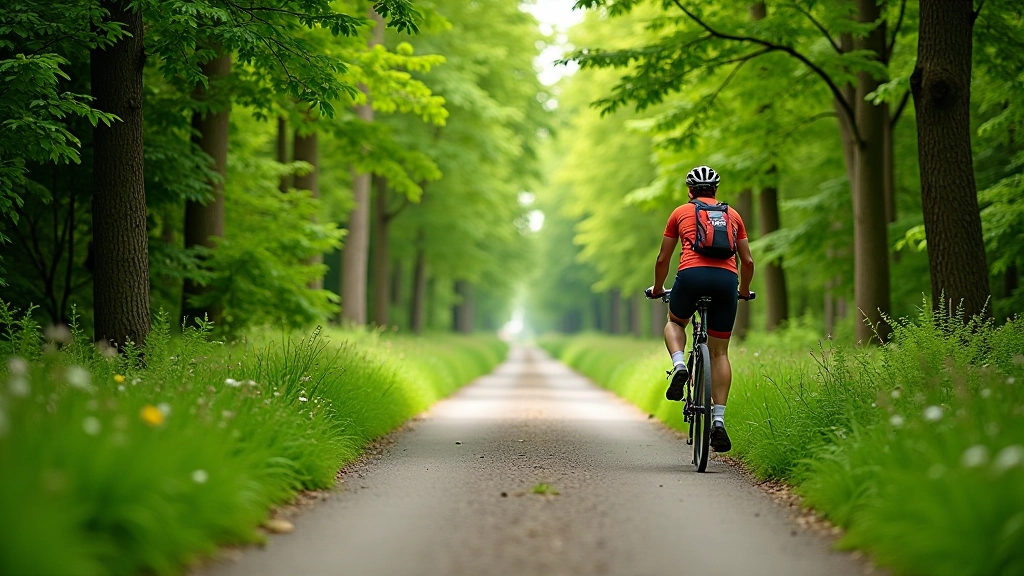
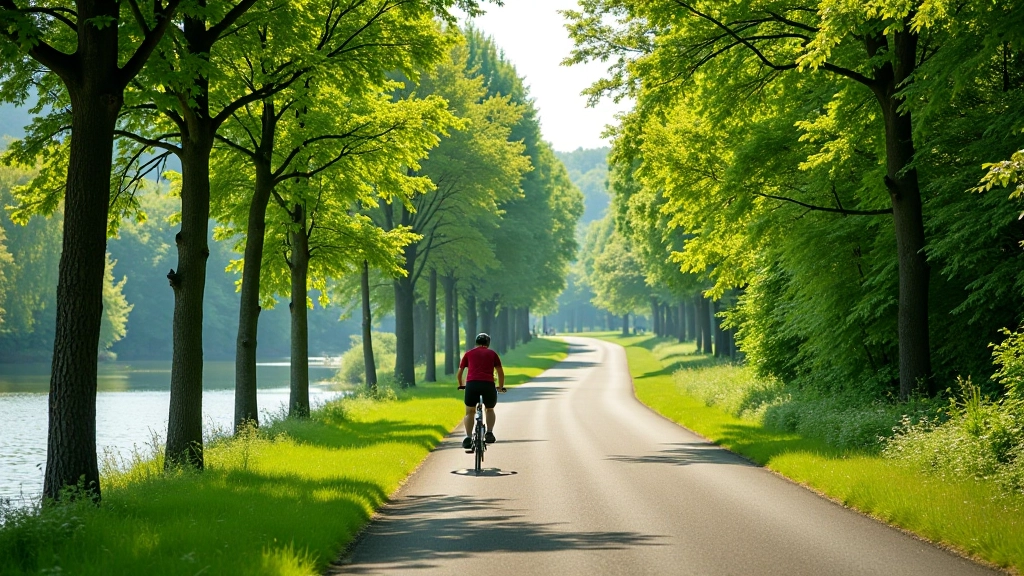
Pro tip: Start with routes you know exist. The Vltava riverside path, South Bohemia Greenway, or established cycling networks have maintained surfaces and clear signage. Don’t be the person who maps a random route and discovers half of it is unpaved.
Check the route beforehand. Look at elevation profiles — gradual climbs are fine, steep ones will exhaust you. Scout for water stops and places to rest. A 50-kilometer loop with a café halfway is infinitely better than 50 kilometers through empty countryside.

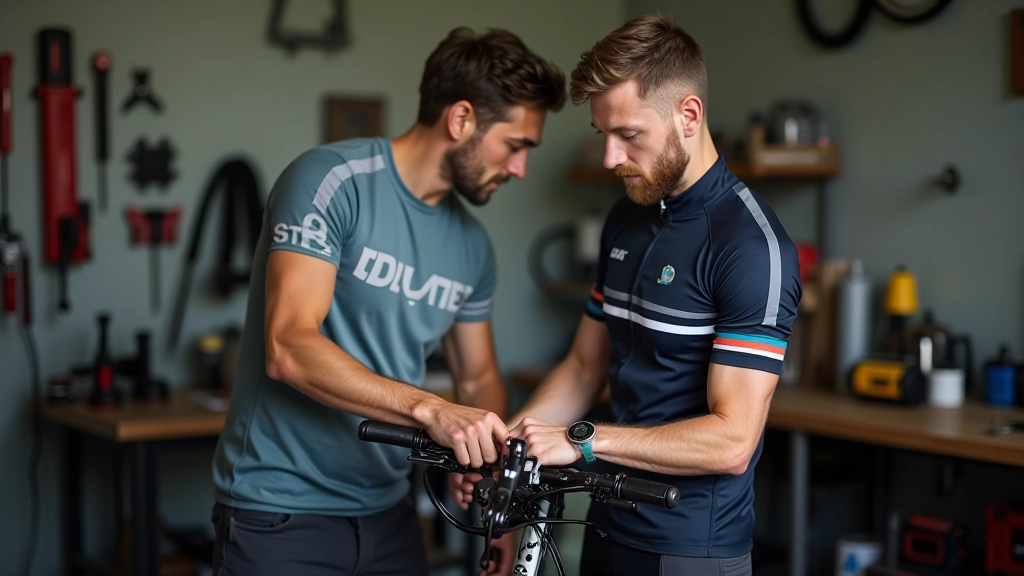
Your bike doesn’t need to be expensive or new. It needs to work reliably. Long distance exposes every mechanical weakness. A loose chain, worn brake pads, or low tire pressure will ruin your day.
Three essential checks before any long ride. First, tires — pump them to the correct pressure (check your tire sidewall for the range). Underinflated tires create drag and risk pinch flats. Second, brakes — squeeze the levers to confirm they’re responsive. Brake pads should have visible material, not worn to metal. Third, drivetrain — shift through all gears while pedaling slowly. The chain should move smoothly without grinding or skipping.
Check the PSI rating on your tire and inflate to the recommended range. This single step prevents most mechanical issues.
Spin the wheels freely — they shouldn’t drag. Pull brake levers firmly — they should feel responsive without being spongy.
Pedal through each gear. The chain should move crisply without grinding. If shifting feels rough, the cable might need adjustment.
If you’re not comfortable with bike maintenance, visit a shop for a pre-ride check. It costs 50-100 euros and saves you from a broken chain in the middle of nowhere.
This article provides general cycling guidance based on established best practices. Every cyclist has different fitness levels, experience, and physical conditions. Before starting any new training program or long-distance cycling, consult with a healthcare professional if you have any medical concerns. The information here isn’t personalized coaching — it’s a framework to get you started safely.
This is where most beginners go wrong. They do one long ride, then nothing for a week. Your body doesn’t adapt to single efforts — it adapts to consistent training. You’re building a habit, not chasing a single big day.
The realistic approach is three rides per week. Two shorter rides of 20-30 kilometers during the week at an easy pace. One longer ride on the weekend that gradually increases. Week one might be 30km, week two 35km, week three 40km. You’re increasing by about 10% every week — that’s sustainable.
“Most people underestimate consistency and overestimate intensity. Three solid weeks of regular riding beats one heroic weekend.”
What does “easy pace” actually mean? You should be able to hold a conversation while riding. If you’re breathing hard and can’t talk, you’re going too fast. This feels painfully slow at first. That’s normal. You’re training your aerobic system, not testing your max effort.
Recovery matters as much as training. Don’t ride hard two days in a row. Your muscles adapt during rest, not during the ride. One day off per week minimum. Eat properly — you can’t out-train bad nutrition. Sleep is where the real adaptations happen. It’s not glamorous, but it works.
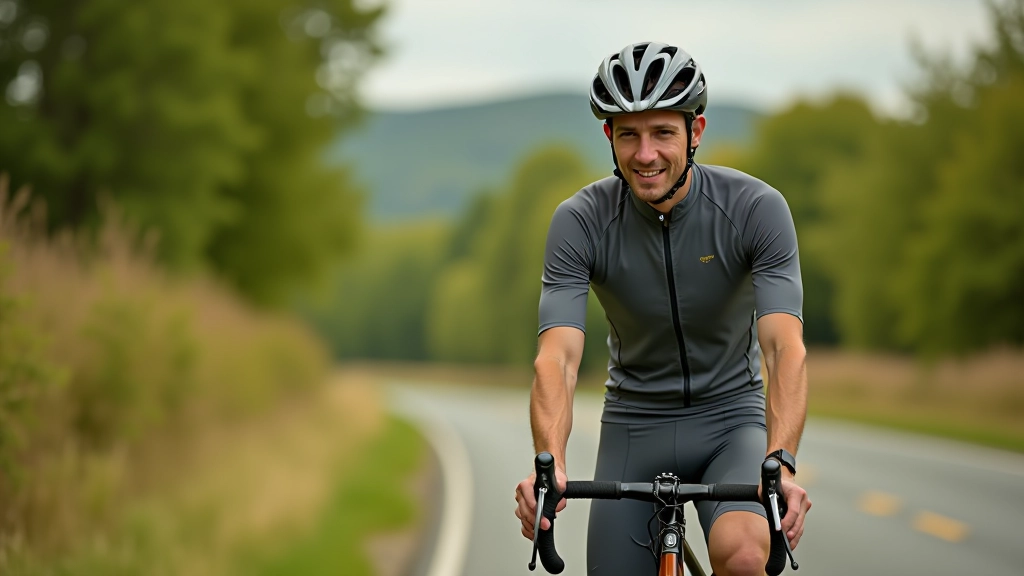
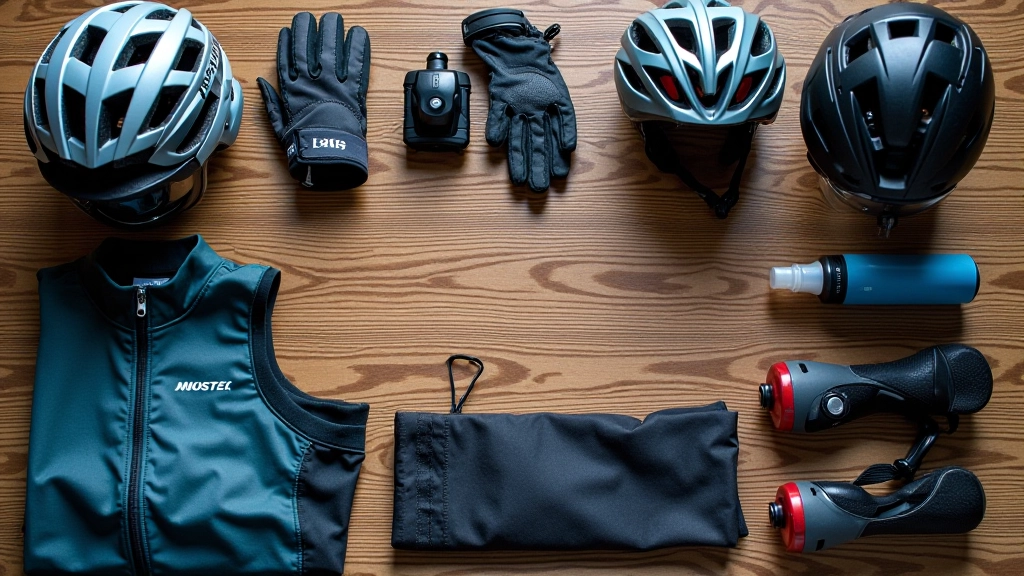
You don’t need expensive cycling clothes. You need clothes that don’t chafe. Cotton absorbs sweat and stays wet — that’s a recipe for saddle sores. Any synthetic or merino wool jersey works. Padded shorts make a huge difference on longer rides. A basic pair from any cycling brand will save your backside.
For a 50-kilometer ride, bring at least two liters of water. A backpack with a hydration bladder, or two water bottles mounted on the frame. You’ll drink more than you think. On hot days, bring electrolytes — plain water alone doesn’t replace what you sweat out. Energy food matters too. Real food beats energy bars for most people. A banana, granola bar, or sandwich provides sustained energy without making your stomach angry.
A flat tire is the most common mechanical failure. You’ll get one eventually. Knowing how to fix it means the difference between walking your bike or riding home. Take 20 minutes to practice changing a tire in your living room before your first long ride. You’ll be grateful you did.
Long-distance cycling becomes accessible when you stop thinking about it as a heroic feat and start treating it as a skill you develop. Pick a realistic route. Prepare your bike. Build fitness consistently. Bring proper gear. That’s it. That’s the formula.
Your first 50-kilometer ride won’t be fast. It might not be pretty. But it’ll be real. You’ll discover what you’re actually capable of when you commit to a plan and follow through. That confidence carries over to bigger rides, longer distances, and future cycling adventures.
Start small. Build consistently. Listen to your body. In 6-8 weeks, you’ll be ready for that first long ride. Not someday. Soon.