
What to Expect on the Vltava Route
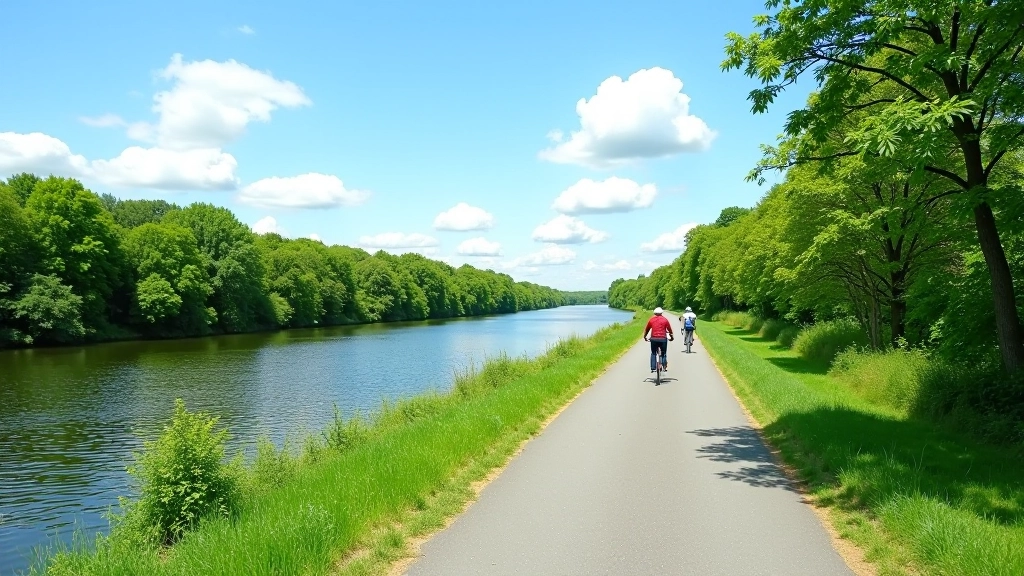
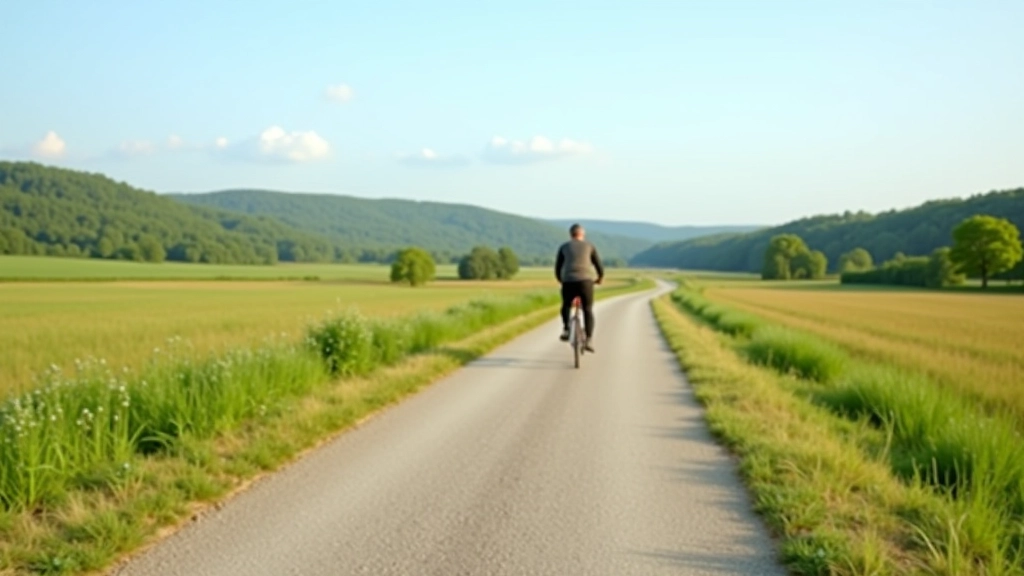
The Vltava cycling route isn’t just a path — it’s a journey through one of Czech Republic’s most beautiful river valleys. We’re talking about 70 kilometers of mostly flat terrain, small villages with local restaurants, and views that’ll make you forget you’re supposed to be exercising.
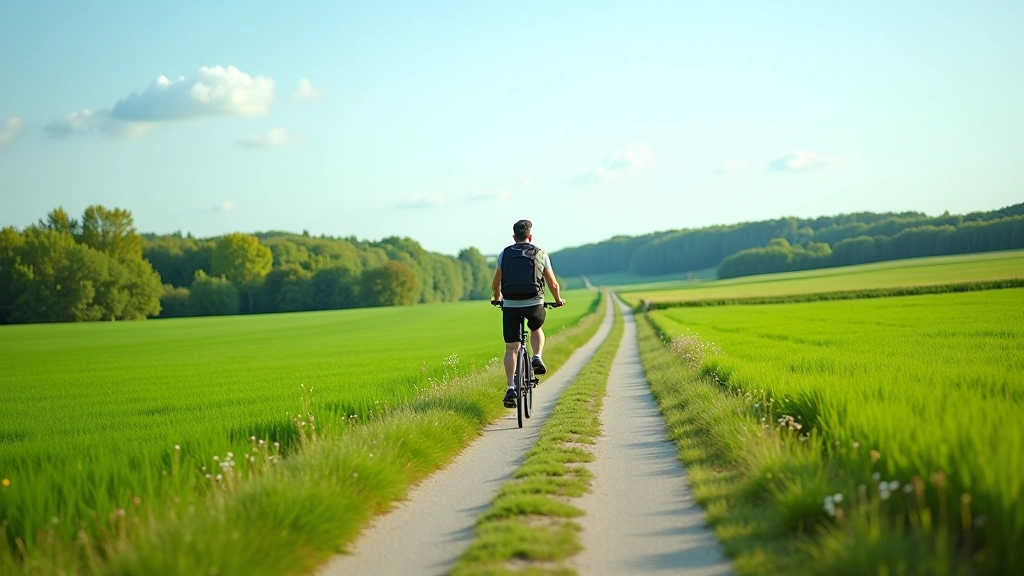
What makes this route special? It’s accessible. You don’t need to be a serious cyclist to handle it. The path follows the river closely, which means you’re rarely on busy roads. Most sections are dedicated cycling paths or quiet country lanes. Families with kids do this route regularly, and so do cyclists in their 60s and 70s.
Route Distance and Time
The full Vltava route spans 70 kilometers from Pisek to Vyssi Brod. But here’s the thing — you don’t have to do it all at once. Most cyclists break it into 2-3 day trips with overnight stays in smaller towns along the way.
A comfortable daily distance is 25-35 kilometers, which takes 2.5 to 3.5 hours of actual cycling. That leaves you time to stop for coffee, explore villages, and take photos without feeling rushed. The elevation gain is minimal — we’re talking about maybe 200 meters total across the entire route.
Start early morning, ride for 3-4 hours, take a proper lunch break, then ride another 2-3 hours. You’ll arrive at your accommodation by late afternoon with energy left for exploring the town.
Key Route Statistics
- Total Distance: 70 kilometers
- Recommended Daily Distance: 25-35 kilometers
- Total Elevation Gain: ~200 meters
- Terrain Type: 60% dedicated cycling paths, 40% quiet country roads
- Best Season: April through October
Bike Requirements and Gear
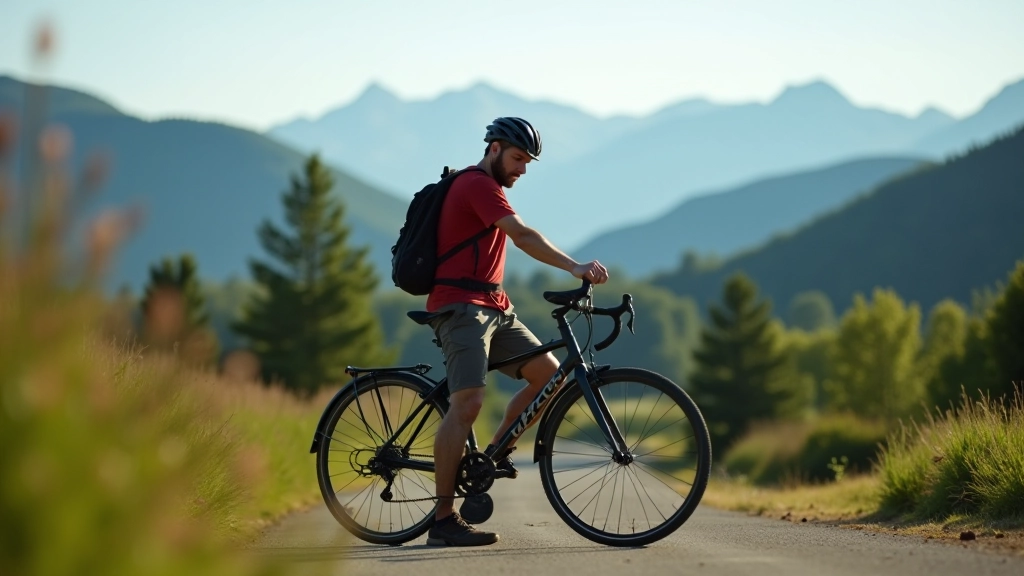
You don’t need a high-end road bike for this route. A hybrid, gravel bike, or even a sturdy mountain bike works fine. The path is well-maintained and mostly smooth, but it’s not perfectly paved everywhere.
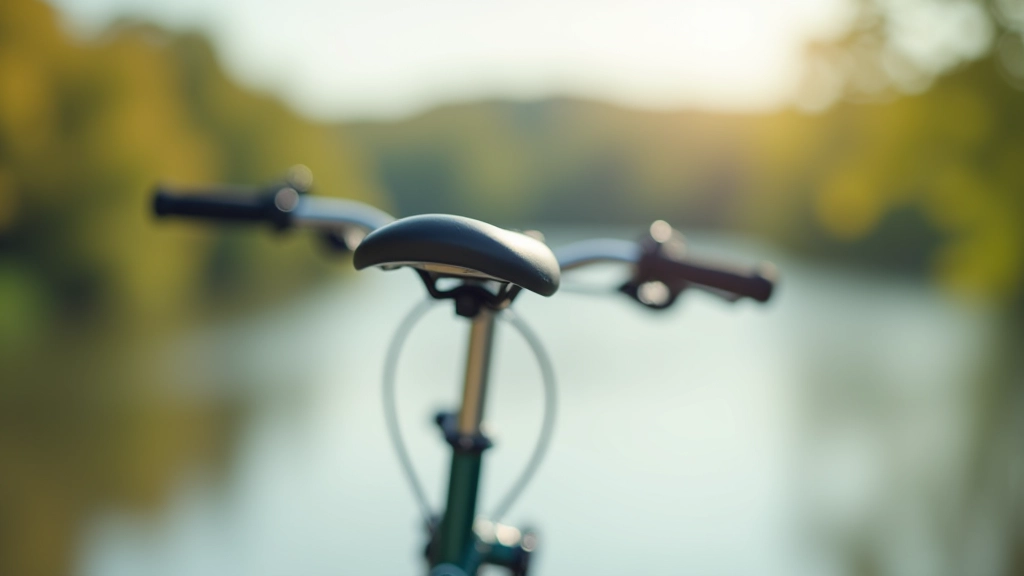
What matters more than bike type is comfort. A decent saddle is essential — you’re spending 3-4 hours a day in it. Make sure your seat height is adjusted properly. Your legs should have a slight bend at the bottom of the pedal stroke.
Essential gear: helmet (non-negotiable), water bottles or hydration pack, repair kit with spare tube, pump, and basic tools. Bring sunscreen — the reflection off the river intensifies sun exposure. A light rain jacket is smart even if the forecast looks clear.
Important Note
This guide provides educational information about the Vltava cycling route based on typical conditions and route characteristics. Actual conditions can vary seasonally. Always check current weather forecasts, road conditions, and local advisories before planning your trip. Cycling involves inherent risks — wear a helmet, follow traffic rules, and ride within your abilities.
Where to Stay and Eat
Towns along the route offer accommodation ranging from guesthouses to small hotels. Pisek, Budejovice, Zlatova, and Vyssi Brod all have decent options. Book ahead during peak season (June-August) — these aren’t massive tourist destinations, and places fill up quickly.
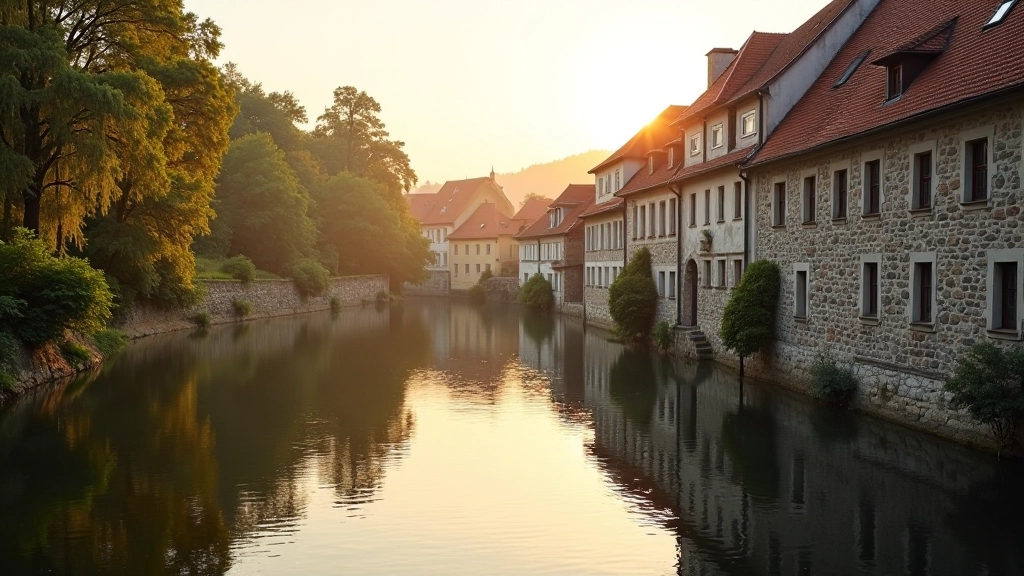
The real highlight is the food. These towns have proper restaurants serving traditional Czech cuisine. You’ll find excellent fish dishes — the Vltava has a long fishing tradition. Local breweries are scattered throughout the region. Stopping for lunch at a riverside restaurant isn’t just a break, it’s part of the experience.
Budget-conscious travelers: many small towns have pensions (small family-run guesthouses) that cost less than hotels and serve breakfast. Stock up on provisions at local bakeries in the morning — fresh bread and cheese make perfect mid-ride snacks.
Best Time to Ride
Late spring (May) and early autumn (September) are ideal. The weather’s stable, temperatures are comfortable (18-22C), and you’re not dealing with peak summer crowds or winter cold.
Summer works too, but plan for hot days. Start riding by 7 AM to finish before the heat peaks. Water stops become crucial — there’s no shortage of cafes in towns, but stretches between villages can feel long on a scorching day.
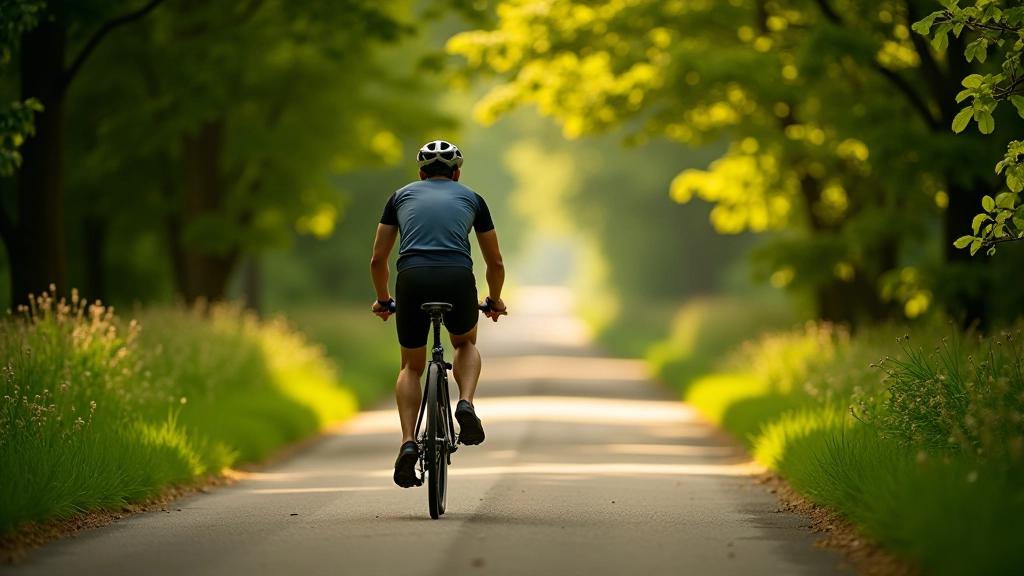
Spring brings wildflowers along the path. Autumn gives you fewer tourists and the best light for photography. Winter’s technically possible but not recommended — the path gets slippery and daylight hours are limited.
Final Thoughts
The Vltava route is one of those rare cycling experiences that delivers on multiple levels. It’s challenging enough to feel like an accomplishment but accessible enough that you’re not suffering. The scenery is genuinely beautiful without being overwhelming. And the pace — slow enough to actually notice things — makes it feel less like exercise and more like exploration.
Whether you’re a seasoned cyclist looking for a relaxed tour or someone getting back into cycling, this route works. Bring a decent bike, pack properly, and plan reasonable daily distances. You’ll come back with sore legs, great memories, and probably already thinking about your next Czech cycling adventure.