
Why Urban Cycling Needs Different Skills
Riding on a country road is one thing. Navigating a busy city with cars, pedestrians, and trams is completely different. You’re not just pedaling — you’re reading traffic patterns, understanding lane rules, and staying visible in an environment where drivers aren’t always expecting cyclists.
The good news? Czech cities have invested heavily in bike infrastructure over the last decade. Prague alone has over 500 km of bike lanes. But here’s the catch — these lanes aren’t all the same. Some are separated from traffic with physical barriers. Others are just painted lines. Some share space with pedestrians. If you don’t know what you’re looking at, you could end up in the wrong place at the wrong time.
The Three Types of Czech Bike Lanes
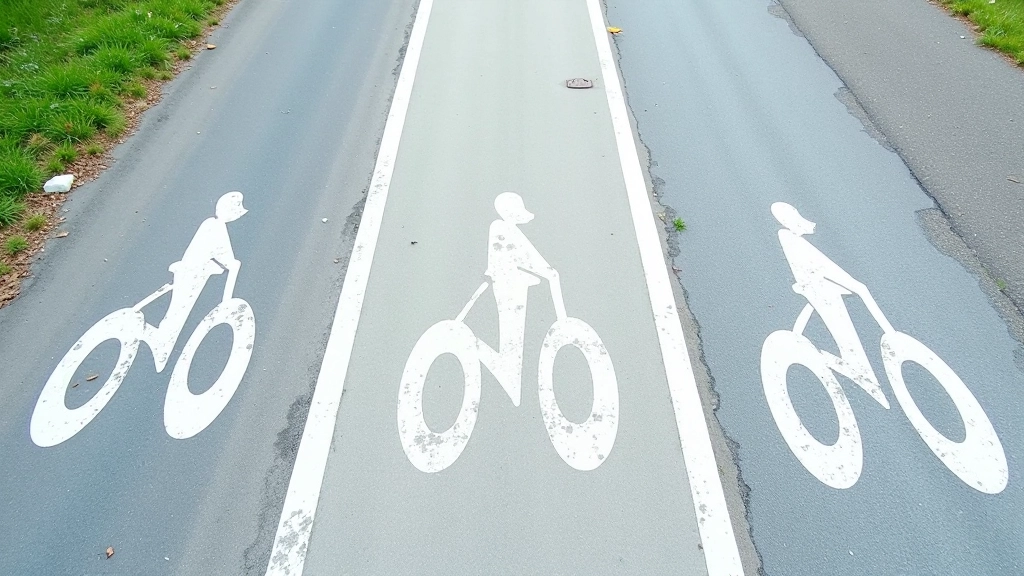
Czech cities use three main types of bike infrastructure, and they’re marked differently so you know what to expect.
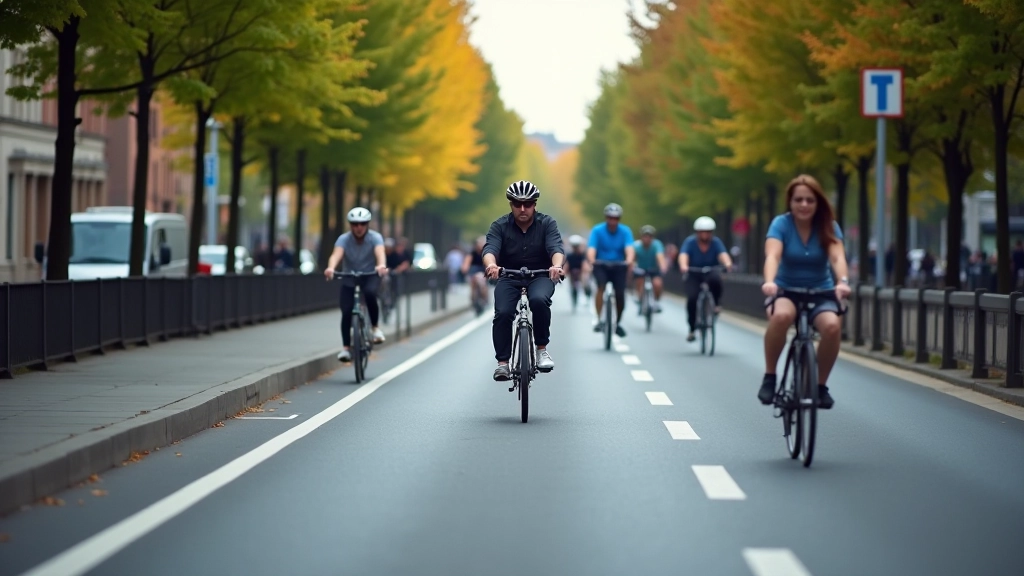
Protected lanes have physical separation — barriers, curbs, or parked cars between you and traffic. You’ll see these mostly in Prague and Brno city centers. They’re the safest option, but they’re also the most crowded during rush hour.
Painted lanes are just markings on the road with no barrier. They’re more common in residential areas and smaller cities. You’re still on the street with cars, but you’ve got your own space. The key is staying visible — drivers in a hurry sometimes drift into painted lanes without thinking.
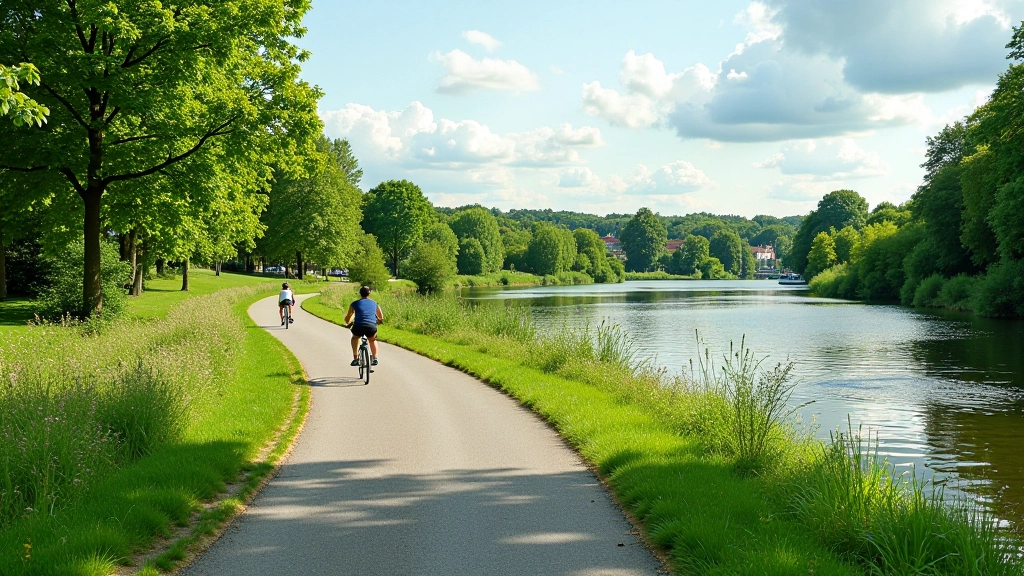
Shared-use paths are the trickiest. These are paved areas where cyclists and pedestrians coexist. You’ll find them along riverbanks and in parks. The rule is simple — you’re the faster one, so you yield. Ring your bell, slow down, and give pedestrians space. Most conflicts happen here because people aren’t paying attention.
Safety First — Infrastructure Changes
Bike lane infrastructure in Czech cities is constantly evolving. New lanes are added regularly, and older ones get updated. Always check local city websites for current route information before planning longer rides. This guide reflects infrastructure as of April 2026, but your local area might have recent changes. When in doubt, use the official city bike maps or apps like Mapy.cz which get updated regularly.
Navigation Tools That Actually Work
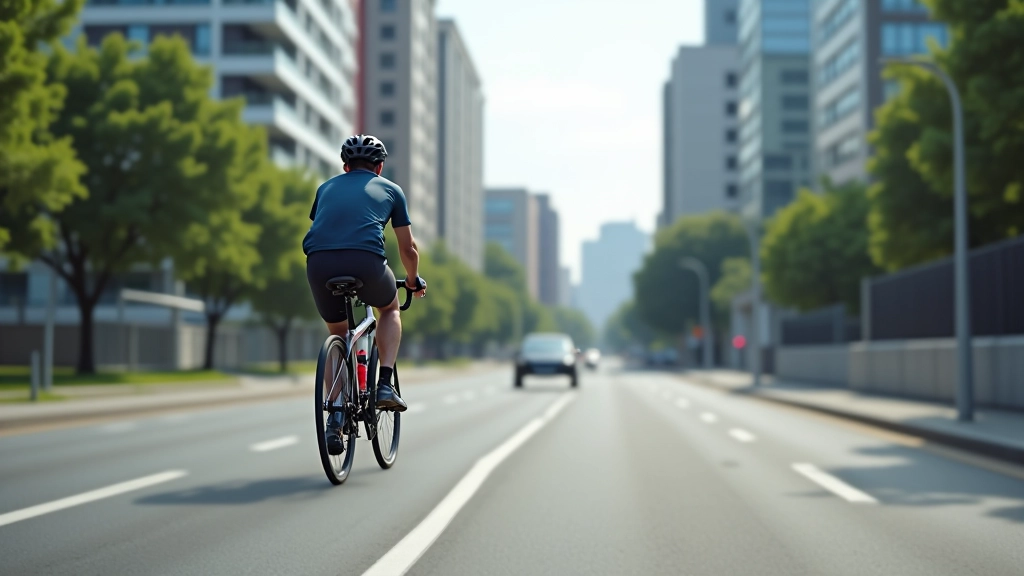
You’re not navigating by memory in a city. You need a map. Czech cyclists have solid options, and honestly, they’re way better than generic mapping apps.
Mapy.cz is the gold standard. It’s Czech-made, it’s constantly updated, and it shows exactly which lanes are protected and which are painted. You can toggle between different map styles. The cycling view shows elevation too, which matters when you’re planning longer urban routes. It’s free, it works offline if you download sections ahead of time, and it’s got real-time traffic updates.
Google Maps works fine for basic routing, but it doesn’t distinguish between lane types. It’ll send you down painted lanes when a protected lane exists just one street over. If you’re new to a city, it’s not ideal.
Local city apps matter too. Prague has its own bike route app. Brno’s integrated into their public transport app. These are worth downloading before you arrive — they show current lane conditions and construction that might affect your route.
Rules That Keep You Safe (And Legal)
Czech bike laws are pretty reasonable compared to some European countries, but they’re specific. Breaking them isn’t just dangerous — you can get fined.
Use the Lane
If a bike lane exists, you must use it. No riding on the sidewalk unless you’re under 10 or there’s an explicit sign allowing it. Riding on the sidewalk in traffic areas gets you a fine.
Lights Are Required
You need a white front light and red rear light when riding in low light or darkness. Not optional. Not a suggestion. Czech police actually check this, and the fine is real.
Helmet Sense (Not Law)
Helmets aren’t legally required for adults in Czech Republic, but that’s not the same as safe. Urban riding means car interactions. Wear one. Kids under 18 are required by law.
Signal Your Turns
Hand signals are required. Look back, extend your arm, and hold it steady. Don’t assume drivers see you. Urban intersections happen fast — clear communication saves lives.
Phone Use Is Illegal
You can’t hold a phone while riding. Use handlebar mounts for navigation and make sure your phone’s secured. Get stopped with a phone in your hand and you’re paying a fine.
Age Matters on Sidewalks
Kids under 10 can ride on sidewalks. From 10-18, they can ride sidewalks only if a bike lane doesn’t exist. At 18+, sidewalk riding is illegal. Know the rules for your age group.
Reading Traffic Like a Local
Safe urban cycling isn’t just about following rules. It’s about predicting what’s about to happen around you. Most conflicts between cyclists and cars happen because someone wasn’t paying attention to obvious warning signs.
Watch for car doors. Seriously. When you’re passing parked cars, assume a door’s about to open. Slow down, move left in your lane, and keep scanning. Dooring accidents happen constantly in Prague and Brno, and they’re brutal. You’re the one who gets hurt.
Tram tracks are deceptive. Your wheel can get caught in them at certain angles, especially if you’re crossing at less than 90 degrees. Never ride parallel to tram tracks — always cross them perpendicular. If you have to cross at an angle, dismount and walk.
Pedestrians in painted lanes aren’t always paying attention. They step into the bike lane checking their phone or looking for a house number. Ring your bell early, not at the last second. Give them time to move.
Getting Started Safely
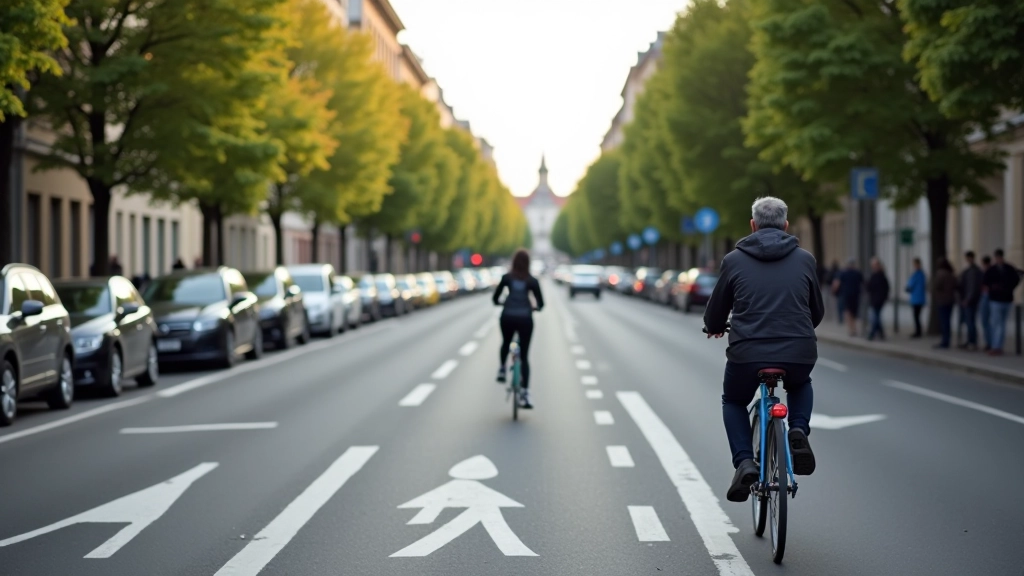
Urban cycling in Czech cities is accessible once you understand the infrastructure and rules. Start with routes in less busy areas. Download Mapy.cz and get familiar with how it marks different lane types. Get your lights sorted — front and rear, visible from at least 100 meters away.
Ride the same route a few times. You’ll start noticing patterns — where cars turn, where pedestrians cross, where the road surface gets rough. That familiarity is safety. Your first urban rides might feel hectic, but within a week or two, it becomes normal.
Most importantly, don’t be in a hurry. Urban cycling is slower than you think it should be. That’s not inefficiency — that’s safety. You’re sharing space with a lot of people and a lot of cars. The goal is to get there in one piece, not to get there fast.